Spring cleaning for seniors is more than a tidy closet; it is a fresh start for safety, calm, and confidence at home. Spring cleaning should be simple, paced, and purposeful so progress feels good instead of exhausting. Begin small. Choose one drawer, shelf, or corner. Sort items into keep, donate, recycle, or discard, and place a date on donation bags so …
Sleep Awareness Month: Rest Well, Live Well
Sleep awareness month highlights how quality rest supports every part of senior wellness. Many older adults think poor sleep is unavoidable, yet habits and environments often make a big difference. Healthy sleep begins with rhythm. Go to bed and wake up at the same times daily, including weekends. A steady schedule trains your internal clock and reduces long nighttime wake-ups. Create …
Spring Into Motion: Outdoor Activities for Active Aging
Outdoor activities for seniors bring fresh air, light, and motivation as spring arrives. Outdoor activities for seniors also make movement more enjoyable, which helps you stay consistent. Begin with walking. A relaxed stroll in your neighborhood, a local park, or a garden path raises the heart rate gently, strengthens legs, and boosts mood. Start with ten minutes and add a few …
Eat the Rainbow: Spring Fruits and Vegetables for Better Health
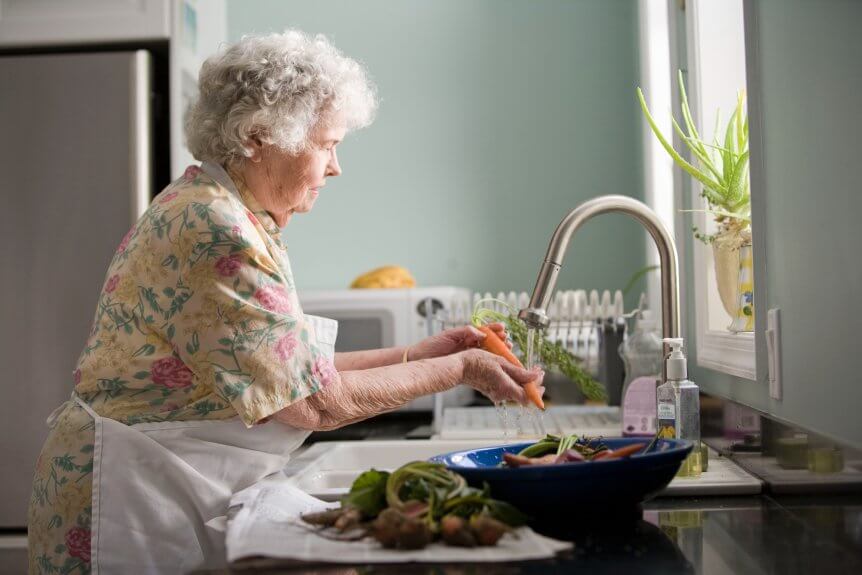
Spring fruits and vegetables make it easy to refresh your plate with color, flavor, and nutrients after winter. Spring fruits and vegetables supply fiber, vitamins, and antioxidants that support energy, digestion, and immune health for older adults. Think in colors. Red foods like strawberries and tomatoes provide vitamin C and lycopene for heart support. Orange choices such as carrots, apricots, and …
Self-Care for Seniors: Small Acts with Big Benefits
Self-care for seniors is a series of small, thoughtful choices that protect energy, mood, and independence. Self-care does not require expensive tools or long hours—just steady attention to what helps you feel your best. Start with sleep. Go to bed and wake at consistent times, keep the bedroom cool and dark, and avoid caffeine late in the day. If pain, snoring, or frequent …
American Heart Month: Know the Signs, Save a Life
American Heart Month in February is a timely cue to learn symptoms, schedule checkups, and support your heart with daily habits. American Heart Month also reminds us that fast action saves lives when warning signs appear. Know heart attack symptoms. Watch for chest pressure, squeezing, or pain that lasts more than a few minutes or returns. Discomfort may spread to the arm, back, neck, …
Move for Your Heart: Exercises that Support Cardiovascular Health
Exercises for heart health work best when they are safe, simple, and done most days. Exercises for heart health can be as basic as walking, stretching, and light strength work. Start with a gentle warmup: shoulder rolls, ankle circles, and slow marching in place for two to three minutes. Begin with walking, indoors or outdoors. A ten-minute stroll after breakfast and another after …
Heart-Healthy Eating for Seniors
Heart-healthy eating for seniors is a practical way to lower risk and feel better every day. Heart-healthy eating begins with balance at every meal. Fill half your plate with fruits and vegetables, one quarter with lean protein, and one quarter with whole grains. That simple template supports blood pressure, digestion, and steady energy. Choose colors that do the most work. Dark leafy greens, …
Setting Realistic Goals for 2026
Realistic goals set you up for steady success throughout the year. Realistic goals for seniors work because small, specific steps are easier to begin and easier to maintain than sweeping resolutions that fade by February. Start by naming a single priority for each area of life: health, home, and connection. For health, you might commit to a ten-minute walk most days. …
National Glaucoma Awareness Month: Protect Your Vision
National Glaucoma Awareness Month is a reminder to schedule an eye exam and learn your personal risk. National Glaucoma Awareness Month matters because glaucoma often develops slowly without pain or obvious symptoms, yet the condition can quietly damage the optic nerve over time. Know the risk factors. Age over sixty, diabetes, a family history of glaucoma, African or Hispanic ancestry, and …


